Fake Blue Screens, Real Malware
TLDR: A new scam shows a fake Windows “blue screen of death” and tells users to paste commands to “fix” their PC - doing so installs malware that gives attackers deep control of the system.
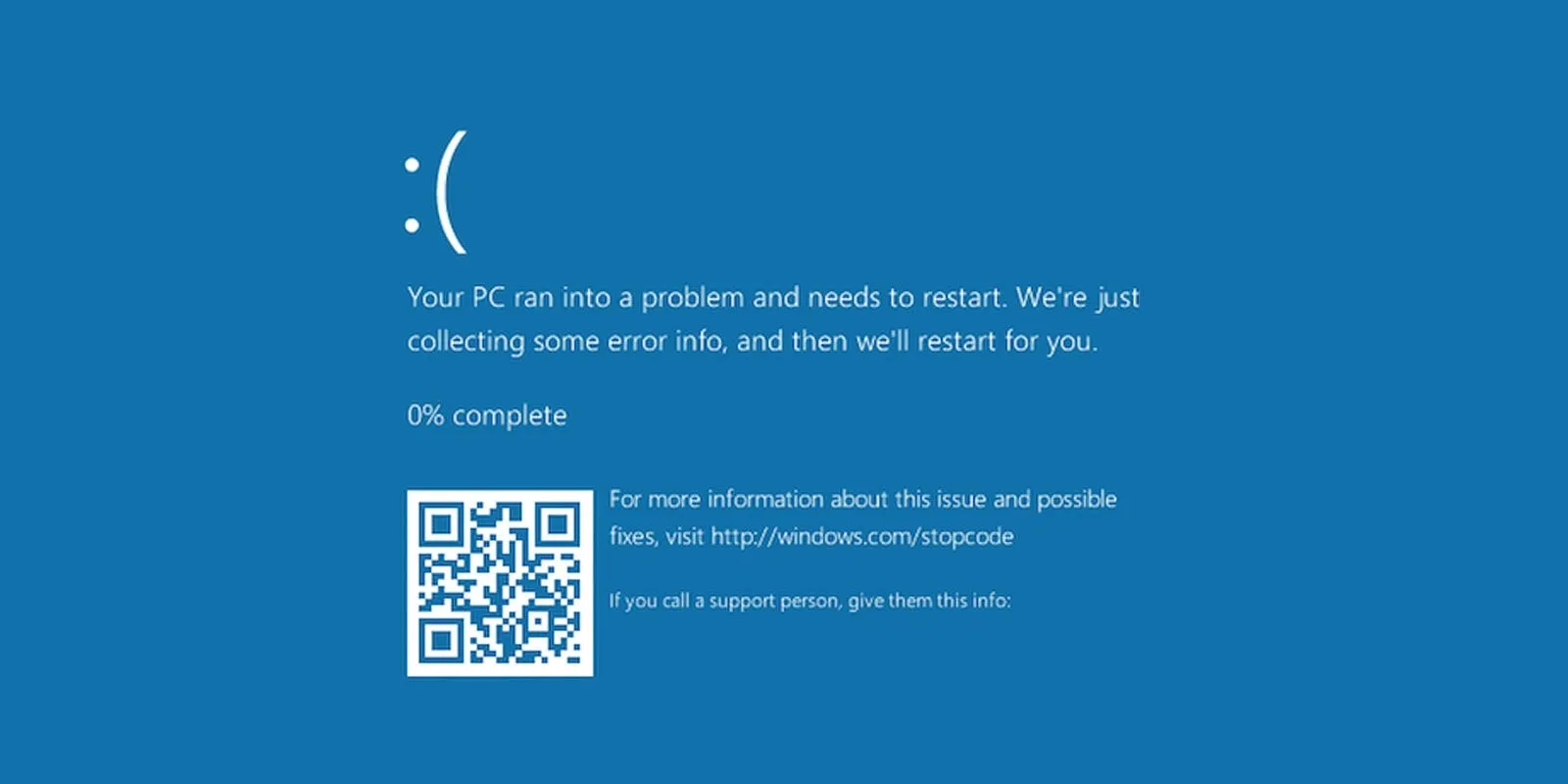
Credit: Securonix
Fake Blue Error Screens Used to Spread Malware
Cybercriminals are abusing people’s trust in familiar Windows error screens by showing a fake Blue Screen of Death (BSOD) and claiming the computer is broken or at risk. The message then gives step-by-step instructions that convince users to open a command window and paste in code to “protect their data.”
This is not a real Windows repair process. It’s a newer version of a long-running scam technique called ClickFix, which relies on social engineering - tricking people into doing the attacker’s work for them.
Once the pasted command runs, the attacker’s malware installs itself deeply into the system and turns off Windows’ defense mechanisms.
What to Know
- A real BSOD appears when Windows crashes and automatically restarts - it does not give repair instructions.
- The fake screen tells users to open a command prompt and paste code to “fix” the issue.
- That command:
- Downloads malware
- Turns off or avoids Windows Defender
- Gives itself administrator access
- Stays installed even after a restart
- Sends information about your computer back to the attacker, and allows for remote access
- This attack works because it looks urgent and familiar, not because of a software bug.
What to Do Now
- Never paste commands into your computer because a website or pop-up tells you to.
- If you see a BSOD, let Windows restart on its own - that’s normal behavior.
- If a screen tells you to take manual steps to “save your data,” treat it as suspicious.
- Keep your system and antivirus software up to date.
- If you think you followed these steps already, disconnect from the internet and run a full malware scan, or seek professional help.
BleepingComputer - “ClickFix attack uses Fake BSOD Screens to Push Malware”
Scammers don’t always rely on technical hacks; sometimes they rely on panic and familiarity. The more “official” something looks, the more important it is to slow down and question it.
Stay safe,
Jaiden
Get the CyberSafe Brief in your inbox
Short, jargon-free security tips for everyday people. Free, bite-sized, no spam ever.
Subscribe free